Post-Hajj Season: Madinah Visitors Flock to Islamic and Historical Sites
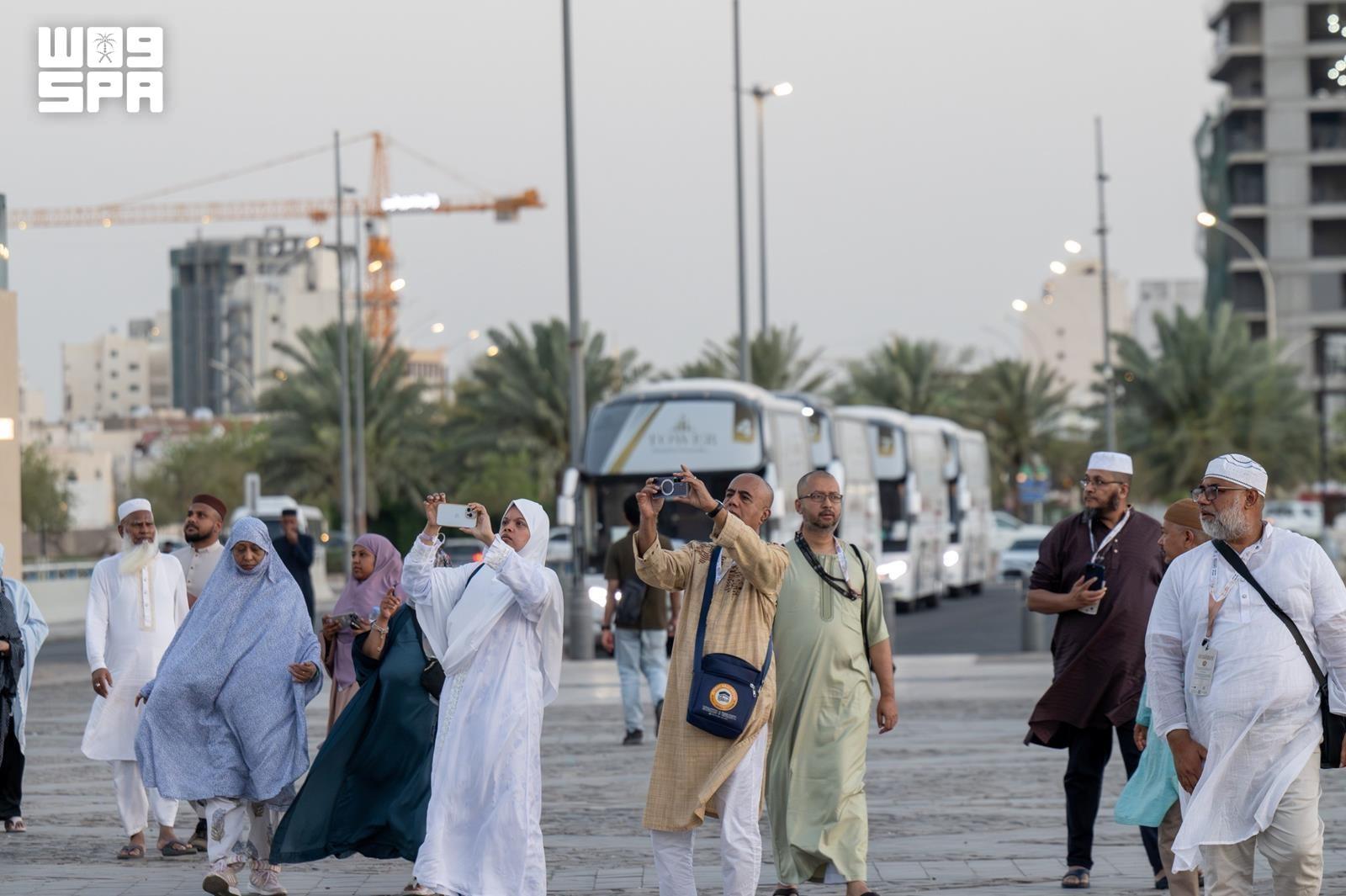
During the post-Hajj season, Madinah witnesses a surge in visitors to the Prophet's Mosque from around the world. These pilgrims are keen to complete their spiritual journey by visiting a number of Islamic and historical sites connected to the Prophet's life and Islamic history.
The Quba Mosque is among the most prominent destinations, considered the first mosque founded on piety. Thousands of worshippers flock to it daily to perform prayers and learn about its historical and religious significance.
Al-Qiblatain Mosque also attracts considerable attention due to its historical importance, linked to the change of the Qibla (direction of prayer) from Al-Aqsa Mosque to the Grand Mosque in Makkah.
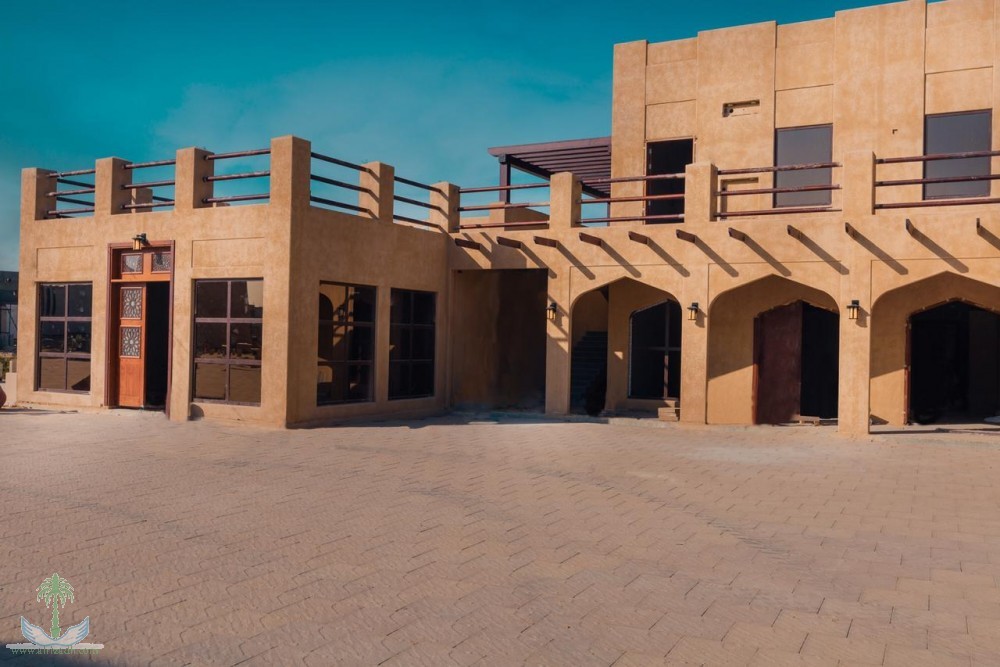
The area of Mount Uhud and its surrounding courtyards draw large numbers of visitors who come to see the site of the Battle of Uhud, as well as to visit the Uhud Martyrs' Cemetery and learn about the historical events associated with the location. The visitation programs also include a number of other Islamic and historical sites that reflect the significance of Madinah in Islamic history.
Relevant authorities contribute to organizing visitor flow and facilitating their movement between different sites through integrated operational plans, guidance and awareness services, as well as providing transportation connecting the Prophet's Mosque to key landmarks within Madinah.
The continued influx of visitors after the Hajj pilgrimage underscores the religious and historical importance of Madinah as a destination for Muslims from around the world to explore its cultural heritage and Islamic landmarks.