King Abdullah Specialized Hospital in Qassim Expands Access to Advanced Healthcare With 474-Bed Capacity
With a capacity of 474 beds, advanced medical facilities, and a broad range of specialized services, King Abdullah Specialized Hospital is a major addition to Qassim’s healthcare system.
Affiliated with the Ministry of National Guard Health Affairs, the hospital operates in a treatment environment that considers operational efficiency, patient needs, and quality and sustainability standards.
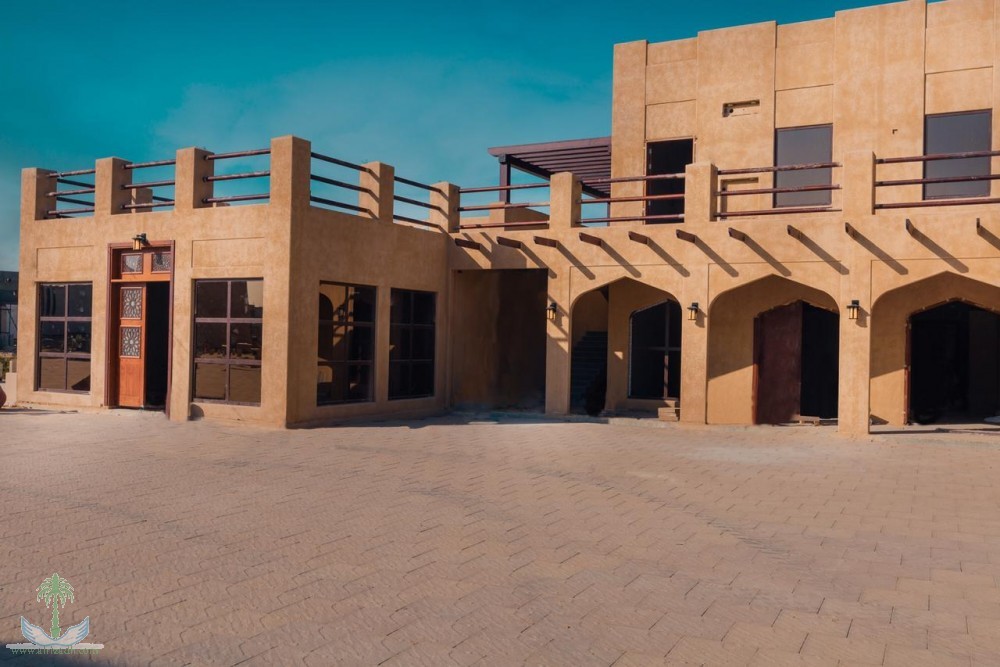
The hospital occupies a site spanning 1,889,000 square meters near Buraidah, with access to King Abdulaziz Road, Prince Naif bin Abdulaziz International Airport, and Qassim University. Its built-up area covers 156,294 square meters and includes a 12-story main building, along with administrative, service, and residential facilities.
The hospital is the fourth specialized medical project under the Ministry of National Guard Health Affairs’ strategic expansion plans, following the Specialized Hospital for Women’s Health in Riyadh, King Abdullah Specialist Children’s Hospital, and the Neuroscience and Trauma Care Center in Jeddah.
The hospital’s total capacity of 474 beds is distributed across several clinical services. These include 236 inpatient beds, 72 intensive care beds, and 45 emergency beds, in addition to 121 beds allocated to other services, including operating rooms, day surgery, recovery, dialysis, maternity, physical therapy, and rehabilitation.
Inpatient facilities cover pediatrics, obstetrics and gynecology, internal medicine, and surgery. Critical care services include adult intensive and intermediate care, as well as intensive care units for newborns and children.
The hospital also houses 84 outpatient examination, diagnostic, and treatment rooms.
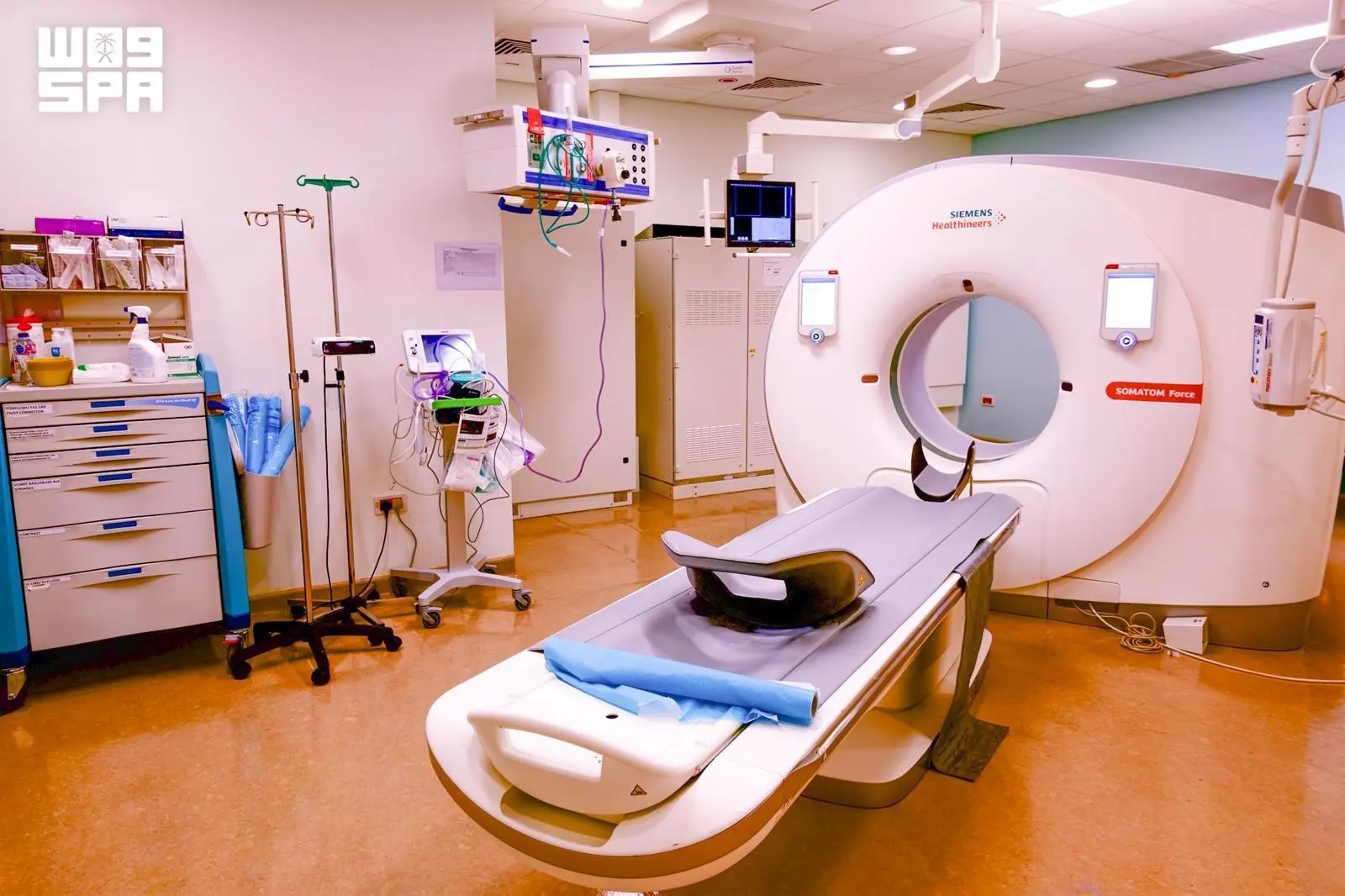
Beyond inpatient and critical care, the hospital brings together emergency services, surgical and endoscopic procedures, a central laboratory, diagnostic imaging, physical therapy and rehabilitation, and oral and dental care. Facilities also include radiology, a blood bank, and a pharmacy, alongside other medical and ancillary services.
To promote more efficient resource use, the project incorporates design solutions that improve the efficiency of electrical and mechanical systems and make use of locally and regionally sourced materials.
The project is LEED-certified under the Leadership in Energy and Environmental Design (LEED) rating system developed by the U.S. Green Building Council (USGBC).
With its specialized treatment capabilities and modern technologies, King Abdullah Specialized Hospital strengthens the presence of advanced healthcare services in Qassim. Its roles in medical care, training, and research make it an important addition to the region’s healthcare system.