Najran's Traditional Wooden Doors: Enduring Craftsmanship in Vernacular Mud Architecture
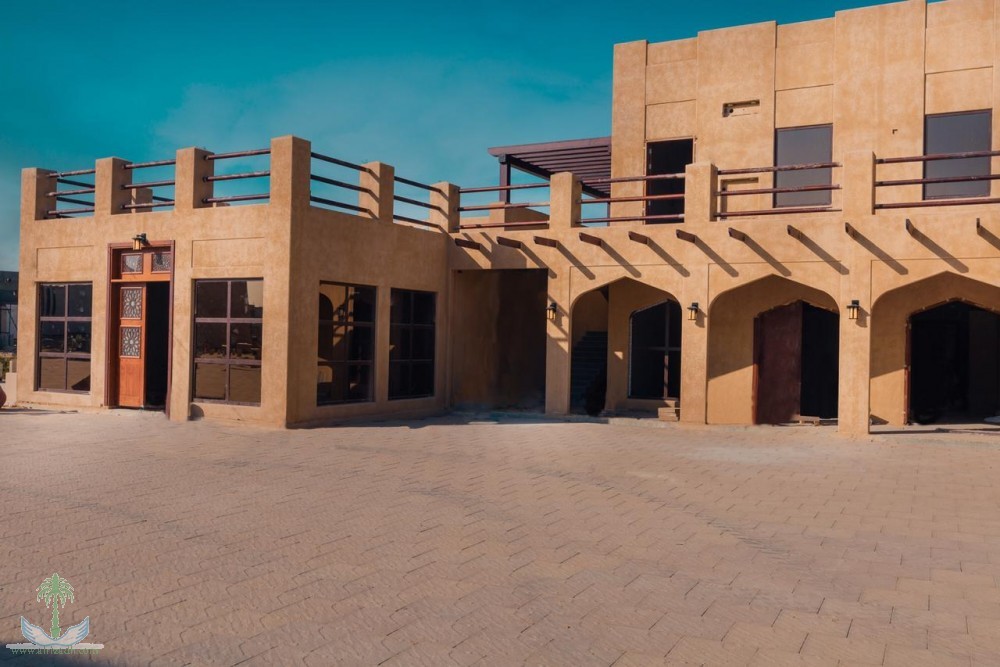
Preserved within the historic mud-brick palaces and dwellings across Najran Region, traditional handcrafted wooden doors remain striking testaments to local craftsmanship, vernacular architecture, and daily community life. Designed to balance privacy, security, and aesthetics, these doors serve as decorative gateways between public spaces and domestic privacy.
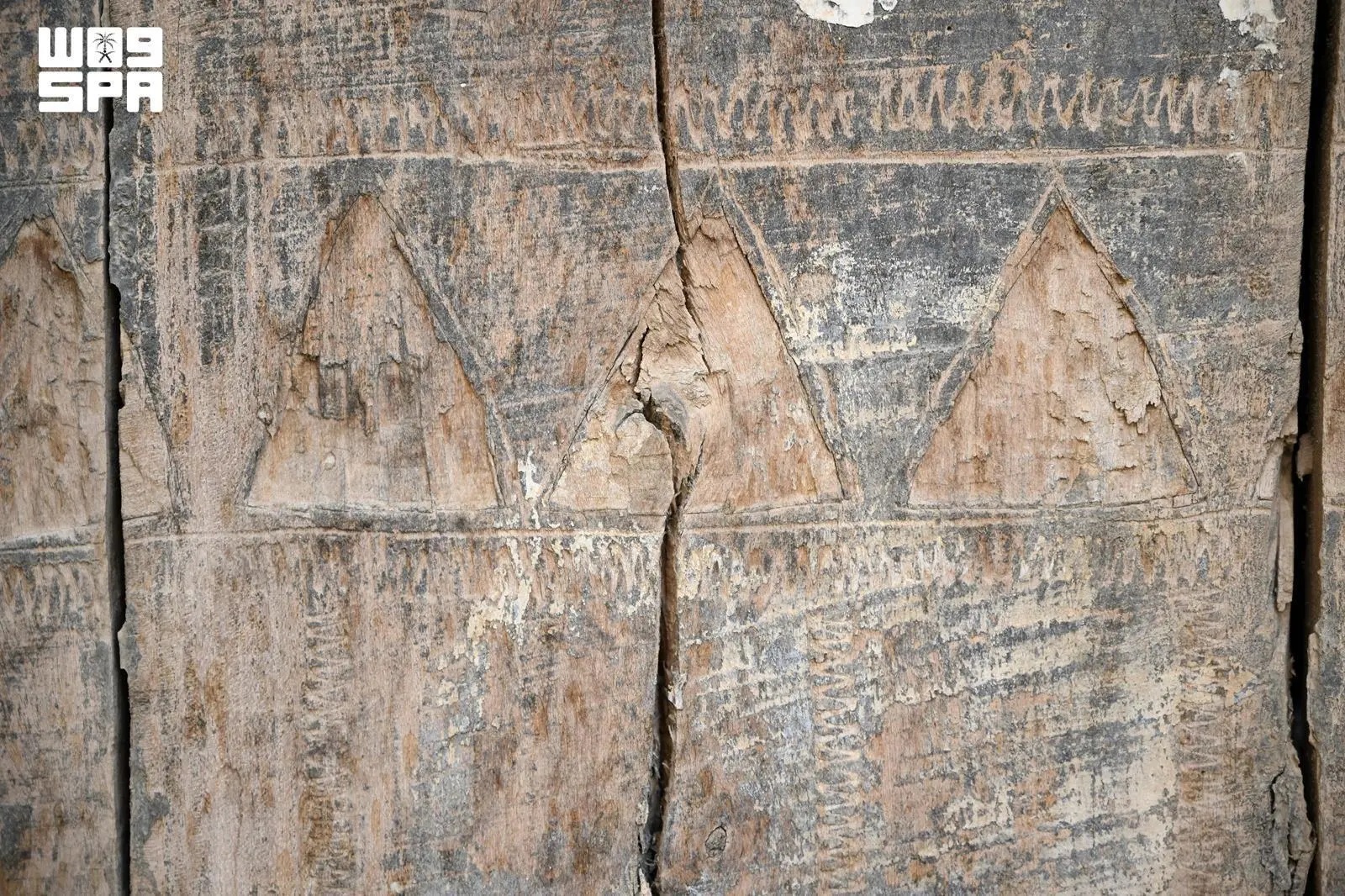
Najran Society for History and Archaeology Board Chairman Mohammed Al Hetailah stated that these doors offer valuable documentary insight into historical carpentry and architecture. Large, reinforced exterior doors were built for security and to allow the passage of livestock and agricultural harvests, while smaller internal doors served private rooms. Many installations featured smaller pass-through openings in the main door, allowing entry without compromising household privacy. Doors featured traditional iron and wooden hardware, including knockers, latches, locks, and bolts, often embellished with geometric motifs, floral carvings, dates, and owner emblems.
Assistant Professor of Architecture at Najran University Dr. Khaled Almazam explained that fabrication relied on the inherited expertise of local carpenters using durable indigenous timber suited to regional climatic extremes. Craftsmen prepared longitudinal wooden planks, secured them with rear horizontal crossbars, carved decorative elements, fitted traditional locking mechanisms and metal studs, and mounted the structures directly into mud-wall frames.
Both specialists underscored the importance of documenting, restoring, and preserving original heritage doors against environmental wear, weathering, and modernization. They highlighted that protecting these historic artifacts safeguards Najran's architectural identity while passing traditional carpentry skills to future generations.